








Choosing an Air Compressor for Diesel Truck

A truck with low air pressure does not stay on the road long. When the system cannot build and hold air, the problem moves fast from an annoyance to a downtime issue, and in some cases a safety issue. If you are shopping for an air compressor for diesel truck repair, the right choice starts with more than brand name or price. You need the correct fit, the right output, and a part built to hold up in real commercial use.
For fleets, owner-operators, and repair shops, air compressor replacement is usually not a cosmetic repair. It happens because the truck is slow to build pressure, pushing oil into the system, cycling too often, or showing signs that the compressor has reached the end of its service life. Getting the replacement right the first time matters because a comeback costs more than the part.
What an air compressor does on a diesel truck
On a heavy-duty diesel truck, the engine-driven air compressor supplies compressed air for critical systems. Most commonly, that means air brakes, but it can also support suspension controls, accessories, and other air-operated components depending on the truck configuration. Without steady air supply, the whole system suffers.
The compressor works with the governor, air dryer, reservoirs, and lines as part of a complete air system. That is why compressor diagnosis cannot stop at the compressor itself. A failing dryer, restricted line, contaminated reservoir, or governor issue can create symptoms that look like compressor failure. At the same time, a worn compressor can send oil and heat into the rest of the system and damage components downstream.
That is the trade-off many shops deal with. Replace only the failed part, and you may save money up front. Miss the root cause or leave contamination in the system, and the new unit may not last.
How to know your air compressor for diesel truck needs replacement
Some failures are obvious. The truck takes too long to build air, the warning lights stay on, or the compressor is making noise. Other failures show up as system contamination, weak performance under load, or repeated air system service calls.
A compressor is a strong suspect when you see oil passing into the discharge line or air dryer, excessive carbon buildup, poor air build rate, or leakage from the head or seals. If the compressor is running hot, cycling hard, or showing internal wear, replacement is usually a more reliable move than trying to stretch a worn unit through another service interval.
It also depends on how the truck is used. A linehaul unit with steady highway miles may show different wear patterns than a vocational truck that sees heavy stop-and-go work, PTO operation, and harsh duty cycles. The application matters because air demand changes compressor workload.
Common symptoms that point to compressor trouble
If pressure build is slow from cut-in to cut-out, that is one of the first things to check. Oil in the air system is another major warning sign. You may also see frequent governor cycling, moisture issues that seem worse than normal, or brake system complaints tied to weak air supply.
A cracked head, damaged gear drive, coolant leak on a water-cooled design, or visible mounting damage can make the decision simple. In those cases, replacement is not optional. The question is whether the new unit matches the truck and whether related components should be serviced at the same time.
Choosing the right air compressor for diesel truck applications
There is no universal heavy-duty air compressor that fits every diesel platform. Fitment depends on engine family, truck make, mounting pattern, cooling design, gear arrangement, and air delivery requirements. Ordering by appearance alone is a mistake.
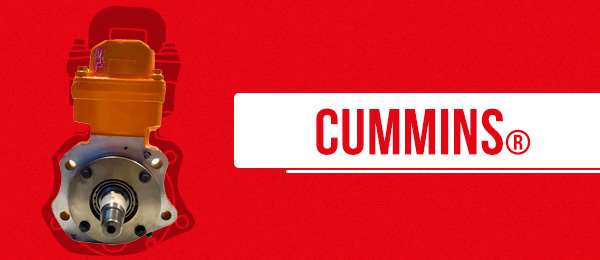
Start with the engine and application. Cummins, Detroit, Caterpillar, Paccar, Volvo, International, and Mercedes-Benz platforms can use different compressor configurations even when the trucks look similar from the outside. The correct unit needs to match the original equipment specifications for mounting, drive type, ports, and output.
You also want to confirm whether the truck uses a water-cooled or air-cooled compressor, and whether the replacement includes the right style of head and governor setup. On some applications, accessory differences matter. On others, interchange may be possible, but only if the specs line up exactly.
That is where a lot of bad purchases happen. Buyers try to save time by matching a broad description instead of verifying the OEM number or exact application. That can lead to installation delays, line routing problems, or poor performance after startup.
Key factors to verify before you order
Displacement and output matter because the compressor has to keep up with system demand. Mounting and drive configuration matter because the unit must install correctly and run true. Port orientation matters because shop time disappears fast when lines do not align.
You should also verify whether the replacement is new, remanufactured, or rebuilt, and what level of testing backs it up. A properly remanufactured compressor can be a smart value when the unit has been rebuilt to spec, inspected carefully, and tested for performance. A low-grade rebuild with questionable internals is a different story.
For working trucks, reliability should win over the cheapest ticket price. The best solution for your diesel truck is the part that fits correctly, performs to spec, and does not create another repair next month.
Why air compressor failures often come back
A compressor rarely fails in complete isolation. Contamination, overheating, poor lubrication, coolant issues, restricted discharge lines, and neglected air dryers can all shorten service life. If the old compressor pushed oil through the system, replacing the compressor without addressing the contamination is asking for trouble.
This is where experienced diesel techs save customers money. They inspect the dryer, check the governor, look at the lines, and verify whether the system has been exposed to excessive heat or debris. If the truck has carbon buildup in the discharge circuit or oil saturation in the dryer, those issues need attention before the new compressor goes to work.
The same goes for installation hardware and accessory kits. Reusing worn gaskets, damaged fittings, or questionable lines may cut corners in the short term, but it raises the chance of leaks and repeat labor. For a fleet or independent shop, that is not efficient repair planning.
Reman, rebuilt, or OEM – what makes sense?
This depends on budget, downtime pressure, and the quality of the source. OEM units can be the right move when you need exact original specification and straightforward fitment. Premium remanufactured compressors make sense when they are rebuilt with strong process control, tested correctly, and backed by warranty support.
The key point is not the label by itself. It is the quality behind the label. A reman unit from a diesel parts supplier that understands heavy-duty applications, testing standards, and core handling is a different product than a random low-cost replacement with unclear rebuild history.
For many trucks, a remanufactured unit is a practical balance of cost and reliability, especially when it comes from a supplier that can verify inventory, confirm fitment, and support the order with real technical help. That matters to repair shops and fleet maintenance managers who do not have time to guess.
Installation and startup still matter
Even the correct air compressor for diesel truck service can fail early if installation is rushed. Clean oil supply and return passages, inspect coolant flow if applicable, replace damaged lines, and follow proper torque and priming procedures where required by the application. Startup checks should confirm pressure build, leakage, and governor operation.
It is also smart to inspect the air dryer and service it if contamination is present. A fresh compressor connected to a saturated or oil-loaded dryer is starting life under bad conditions. That is not the part failing. That is the system failing the part.
If you are running a repair shop, this is the kind of job where documentation helps. Record air build time, note contamination findings, and verify what was replaced around the compressor. That protects the repair and gives the customer a clear picture of why the job was done the way it was.
Getting the part right the first time
When uptime matters, technical accuracy matters just as much. A trusted supplier should be able to help confirm application details, explain whether a reman or OEM option makes the most sense, and support the replacement with dependable inventory and warranty coverage. That is especially important for commercial trucks where one wrong part can tie up a bay or park a unit that should be earning.
American Diesel Parts works with the kind of buyers who need that level of confidence – owners, fleets, and diesel repair professionals who want the right component without the runaround. Leave Diesel to US.
If your truck is showing weak air build, oil carryover, or repeated air system problems, do not treat the compressor like a guess-and-go purchase. Verify the specs, inspect the full system, and put in a unit that is built to do the job right.