 Injectors

 Turbos

 Fuel Pumps
 Actuator


 Contamination Kits
 Accessories Kits
 EGR Coolers
Fuel Pump Durability for Working Diesel Trucks

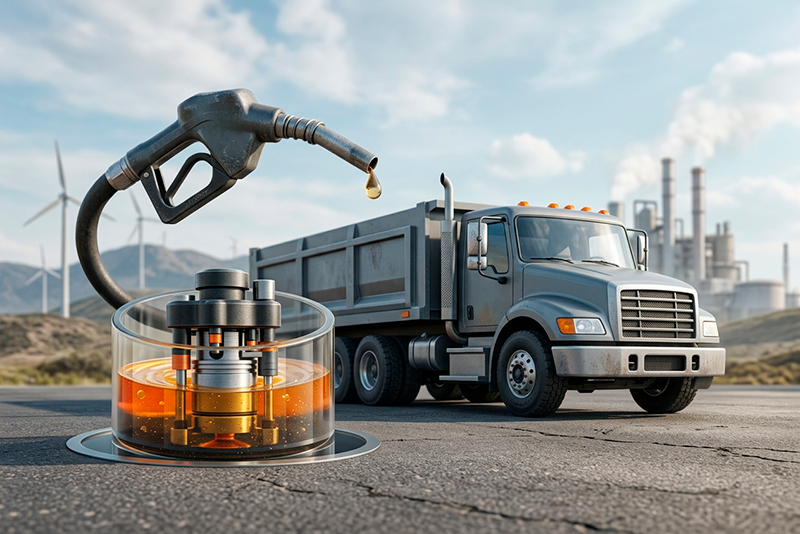
A diesel truck can run rough for a while with a weak injector or a tired turbo actuator. A failing fuel pump is different. When it cannot maintain the required fuel pressure, the problem can quickly become a no-start, low-power condition, or a contamination event that puts the entire fuel system at risk. Fuel pump durability comes down to part quality, fuel quality, installation accuracy, and whether the rest of the system is doing its job.
For an owner-operator, shop, or fleet manager, the goal is not simply getting the truck back on the road. It is preventing the same repair from coming back through the bay door a few weeks later.
What Determines Fuel Pump Durability?
A diesel fuel pump works under conditions that demand precision. Depending on the engine platform, a high-pressure pump may be responsible for producing extremely high rail pressure while relying on diesel fuel for lubrication and cooling. That leaves little room for water, dirt, restricted supply flow, incorrect fittings, or poor-quality internal components.
The pump itself matters, but it is only one part of the equation. A new, OEM, or properly remanufactured pump can still fail early if contaminated fuel remains in the tank, a clogged filter restricts supply, or debris from the previous failure was not removed from the rails, lines, and injectors.
Durability also varies by application. A pickup used for occasional towing does not see the same duty cycle as a Cummins-powered service truck, a Paccar-powered highway tractor, or equipment working daily in agriculture or construction. Long idle time, severe heat, frequent short trips, poor fuel storage practices, and heavy loads all add stress to the fuel system.
Clean Fuel Is the Pump’s First Line of Defense
Fine particles and water are two of the fastest ways to damage a diesel fuel pump. Dirt can score close-tolerance internal surfaces. Water reduces lubricity and can cause corrosion. Once internal wear begins, the pump may lose pressure gradually, or it may generate metallic debris that moves downstream through the fuel system.
That is why fuel filter maintenance is not a low-priority service item. Use the correct filter, change it at the proper interval, and shorten that interval when operating in dirty environments or when fuel quality is questionable. On trucks with water separators, draining accumulated water should be part of routine inspection.
Fuel quality at the source matters just as much. Fleet tanks, jobsite tanks, and rarely used storage tanks can collect condensation and sediment. If multiple trucks begin showing fuel-related problems, do not assume each pump failed on its own. Inspect the fuel source before replacing more parts.
Low Supply Pressure Can Shorten Pump Life
Many high-pressure pumps depend on a steady supply of clean, properly pressurized fuel. A restriction on the low-pressure side can starve the pump, reducing lubrication and cooling while forcing it to work harder.
Common causes include a plugged fuel filter, collapsed or soft fuel hose, blocked tank pickup, restricted fuel module, weak lift pump, damaged fuel line, or an air leak on the suction side. Air intrusion is especially deceptive because it may not always leave a visible external fuel leak. The truck may crank longer than normal, stumble under load, lose power on acceleration, or set fuel-pressure-related fault codes.
Before condemning the high-pressure pump, verify the basics. Check supply pressure and volume to specification, inspect the filter for contamination, examine fittings and quick-connects, and confirm there is no restriction between the tank and pump. Replacing an expensive pump without correcting a supply problem is not a repair plan.
Pump Failure Can Turn Into a Full Fuel-System Repair
Not every pump failure creates a contamination event. Some pumps lose pressure because of wear or an electronic control issue without sending destructive metal through the system. But when a high-pressure pump comes apart internally, the repair scope changes immediately.
Metal contamination can enter the fuel rails, high-pressure lines, injectors, return circuit, tank, and filter housing. Installing a replacement pump alone in that situation can contaminate the new component as soon as the engine starts. That is why complete contamination kits exist for applicable systems.
A proper response depends on the platform and the manufacturer’s repair procedure, but it often includes replacing the failed pump, injectors, rails or lines as required, filters, and related hardware. The tank and low-pressure system must also be cleaned or replaced when debris is present. Trying to save money by reusing questionable components can create a second failure and a much larger bill.
Warning Signs You Should Not Ignore
Fuel pumps rarely fail without leaving clues. A hard start, extended crank, sudden loss of power, surging under load, rough idle, reduced fuel economy, or a rail-pressure code all deserve diagnosis. These symptoms can also point to injectors, fuel filters, sensors, wiring, or air leaks, so diagnosis matters.
Pay close attention to a truck that runs normally at idle but falls on its face when pulling a grade or accelerating with a load. That often points to a fuel supply or pressure-control issue that only becomes obvious when demand rises.
If the fuel filter contains glitter-like metallic material, stop running the engine until the system is inspected. Continuing to operate a contaminated system may turn a pump replacement into injectors, lines, rails, and tank work.
Choosing a Pump That Is Built for the Job
The cheapest pump is not automatically the lowest-cost repair. In commercial service, downtime, labor, towing, missed deliveries, and repeat repairs usually cost more than the difference between a questionable component and a quality replacement.
OEM pumps offer known manufacturer specifications and application fitment. Premium replacement pumps can be a practical choice when they meet the correct performance and compatibility requirements. A quality remanufactured fuel pump can also deliver strong value, provided it has been rebuilt with appropriate hard parts, tested to verify output and control performance, and backed by a meaningful warranty.
Not all remanufactured parts are equal. A pump that has only been cleaned and resealed is not the same as one rebuilt through a controlled process with worn or damaged components addressed. Ask what was tested, whether the pump is application-specific, and whether the supplier can confirm fitment using the engine serial number or vehicle details.
American Diesel Parts supplies diesel fuel-system components for major applications and can help confirm the right pump, related components, and repair scope before an incorrect part creates more downtime.
Installation Details That Protect Fuel Pump Durability
Even the right pump can be damaged during installation if the system is not prepared. Keep all fuel connections clean, cap open lines, use the correct seals and hardware, and follow torque specifications. Do not reuse damaged fittings or crush washers just because they appear serviceable.
Prime the fuel system according to the engine manufacturer’s procedure. Excessive dry cranking is hard on components and may introduce additional diagnostic confusion. After startup, inspect for leaks, verify actual versus commanded rail pressure where diagnostic equipment is available, and confirm low-pressure supply performance.
When replacing a pump after any suspected internal failure, do not guess about the contamination level. Inspect the removed filter, fuel-control components, and accessible fuel passages. If debris is found, follow the complete repair procedure for that system. A partial cleanup is not a cost-saving measure when high-pressure fuel components are involved.
Practical Maintenance for Long-Term Pump Life
The most effective maintenance habits are straightforward: buy fuel from reliable sources, maintain filters and water separators, investigate hard starts early, and correct low-pressure supply issues before they damage the high-pressure side. For fleets, tracking recurring fuel-system faults by unit and fueling location can expose a storage or fuel-quality problem before several trucks are affected.
A fuel pump is a precision component working in a harsh environment. Treat clean fuel, correct supply pressure, and proper repair procedures as part of the pump itself. That approach gives your diesel truck the best chance of staying productive instead of becoming the next expensive no-start in the yard.