Fuel Pump Failure Guide for Diesel Trucks

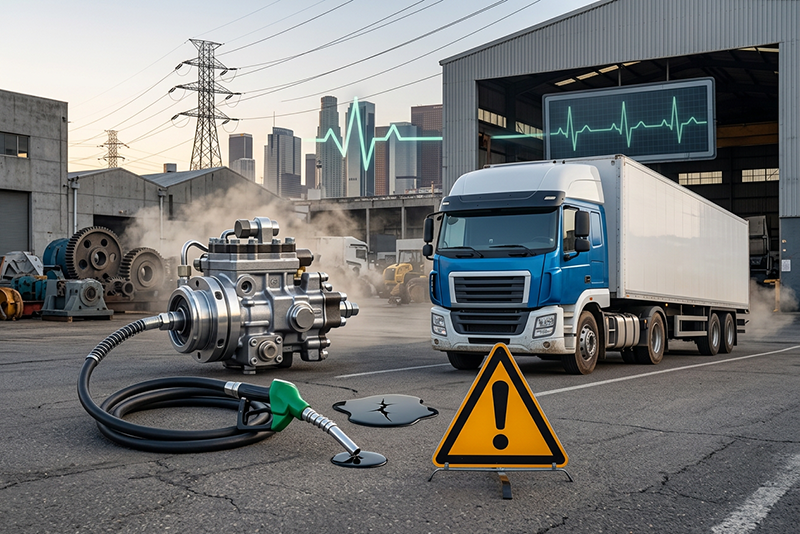
A diesel truck that cranks longer than usual, falls flat under load, or suddenly will not restart may have a fuel supply problem. This fuel pump failure guide separates true pump failures from common look-alikes such as plugged filters, air leaks, wiring faults, and contaminated fuel – so you can repair the actual problem instead of replacing expensive parts on a guess.
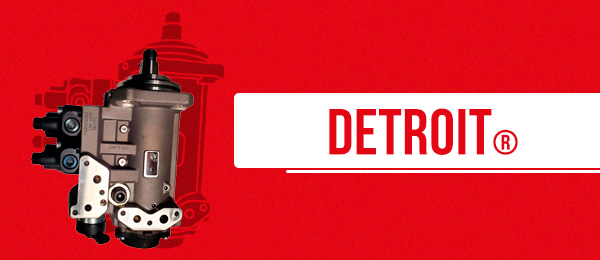
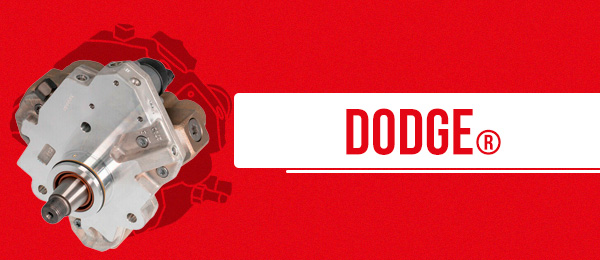
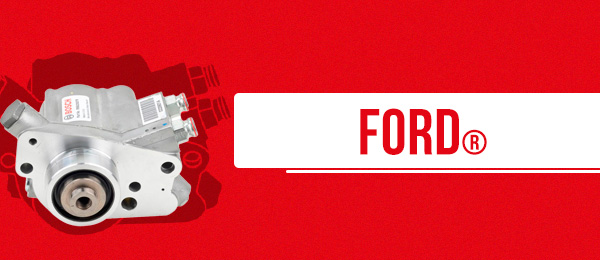
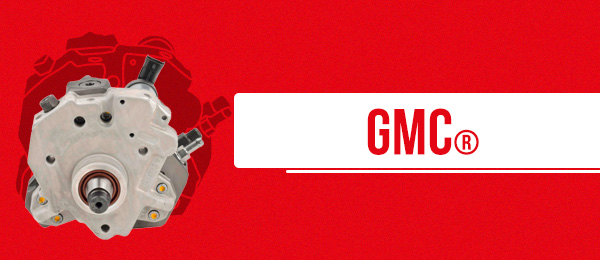
On a modern diesel, fuel delivery is a system. A low-pressure lift pump pulls fuel from the tank and supplies the engine. A high-pressure injection pump then generates the pressure required for injection. Depending on the engine platform, that may be a CP3, CP4, HEUI supply pump, unit pump system, or another manufacturer-specific design. A fault on either side of the system can produce similar driveability complaints, but the repair path is very different.
Start With the Symptoms, Not the Part Number
A failing fuel pump rarely announces itself with one perfect symptom. The truck may start and idle normally but lose power climbing a grade. It may run fine cold and act up only after the fuel warms. It may crank without starting after sitting overnight because the system is losing prime.
The most common warning signs are hard starting, extended cranking, hesitation under acceleration, surging, low power, stalling, unusual pump noise, and fuel pressure-related diagnostic trouble codes. A low-pressure pump problem can starve the high-pressure side. A high-pressure pump problem can prevent the rail from reaching the pressure needed to start and run.
Smoke color can provide a clue, but it is not a diagnosis. White smoke during a no-start event may point to poor combustion or insufficient rail pressure. Black smoke under load can come from fuel delivery, air supply, turbocharger, EGR, injector, or sensor issues. Treat the entire symptom pattern as evidence.
Know Which Pump Your Diesel Uses
Before testing, identify the fuel system on the engine. A 5.9L or 6.7L Cummins, Power Stroke, Duramax, Detroit, CAT, International, Volvo, or Paccar engine may use a different pump layout, pressure strategy, connector design, and diagnostic procedure. Installing the wrong pump, or ordering a component without confirming the engine serial number and application, can turn a routine repair into downtime.
The lift pump, also called a transfer or supply pump, operates at comparatively low pressure. Its job is to provide consistent fuel volume and inlet pressure to the injection pump. It can be frame-mounted, tank-mounted, integrated into a module, or mounted near the engine depending on the platform.
The high-pressure fuel pump feeds the common rail or injection system. It works at extreme pressures and is a precision component. If it fails mechanically, it may shed metal into the fuel system. That is not a simple pump replacement. It can require a complete contamination repair including the pump, injectors, rails, lines, filters, tank cleaning, and related supply-side components.
Fuel Pump Failure Guide: Test Before You Replace
The best repair begins with basic checks. Start with fuel level, fuel quality, visible leaks, damaged fuel lines, loose connections, and the service history of the fuel filters. A restricted filter can look exactly like a weak lift pump, especially when the truck is pulling a trailer, hauling equipment, or operating at sustained highway speed.
Use a scan tool to check stored and pending codes, commanded versus actual rail pressure, fuel temperature, and relevant sensor data. For common-rail engines, compare actual rail pressure during cranking with the manufacturer’s minimum starting requirement. If pressure never builds, the cause could be the high-pressure pump, a failed metering valve, excessive injector return flow, a pressure relief valve issue, a rail pressure sensor problem, or inadequate low-side fuel supply.
Verify low-side pressure and volume with the correct gauge setup. Pressure alone does not tell the whole story. A pump may show acceptable pressure at idle but fail to deliver enough volume when demand increases. Check the specification for the exact engine rather than relying on a generic number from another platform.
Also check for air intrusion. Clear diagnostic hose, where appropriate, can reveal aerated fuel, but use safe, approved procedures. Cracked filter housings, deteriorated seals, loose quick-connect fittings, suction-side line damage, and improperly installed filters can let air enter without leaving a visible fuel leak. Air in the supply circuit can cause rough running, hard starts, and low-pressure readings that lead technicians to blame a good pump.
Do not crack high-pressure fuel lines to test for fuel delivery. Common-rail diesel fuel can penetrate skin and cause a severe injection injury. Use the proper scan data, approved test equipment, and manufacturer procedures.
What Causes Diesel Fuel Pumps to Fail?
Contaminated fuel is one of the most expensive causes of pump damage. Water reduces lubricity and promotes corrosion. Dirt and debris score precision pump surfaces. Gasoline contamination can severely reduce lubrication in diesel fuel systems. Once internal wear begins, the damage may move downstream quickly.
Poor filtration is another repeat offender. Extending filter intervals, using low-quality filters, failing to drain a water separator, or installing a filter incorrectly puts the entire injection system at risk. Fleet operators should establish filter intervals based on duty cycle, fuel quality, and manufacturer guidance, not just mileage on the dashboard.
Electrical faults matter on electronically controlled pumps and lift pump modules. A blown fuse, failing relay, corroded connector, weak ground, damaged harness, or low battery voltage can stop pump operation. Verify power, ground, control signal, and voltage drop before condemning an electric pump.
Heat, age, tank debris, and running the truck consistently near empty also shorten component life. Low fuel levels can reduce cooling for in-tank pump modules and allow debris at the bottom of the tank to enter the supply system. That does not mean every low tank causes a failure, but it is a preventable stressor.
When Metal Is Found, Stop and Assess the Whole System
Metal in the fuel filter, pump inlet, metering valve, or return fuel is a major warning sign. Do not install a replacement high-pressure pump and send the truck back into service without determining where the contamination came from and where it traveled.
A high-pressure pump that fails internally can contaminate the rails, injectors, lines, regulator components, and tank. Leaving debris behind can destroy a replacement pump or new injectors within minutes. The correct repair may cost more upfront, but partial repairs often create a second failure and more labor.
Inspect the removed filter media carefully. Fine metallic glitter, flakes, or magnetic debris should trigger a contamination-system evaluation. The exact scope depends on the engine design, the type of failure, and manufacturer repair guidance. This is one situation where cutting corners does not protect a fleet budget.
Choose the Right Replacement Strategy
For a straightforward low-pressure pump failure with clean fuel and a healthy high-pressure system, replacing the failed pump, filters, and any damaged lines or connectors may be the right repair. Prime the system correctly and verify pressure and volume after installation.
For high-pressure components, match the part to the engine application and fuel system code. Remanufactured pumps can be a cost-effective option when they are rebuilt with quality internal components and tested to the required operating standards. A bargain part with uncertain calibration, poor machining, or no meaningful testing is not a savings when the truck returns on a hook.
Replace related service items when the job calls for it. New filters are standard practice after pump work. Depending on the repair, a fuel pump installation kit, seals, lines, mounting hardware, or updated connectors may be necessary. Reusing flattened seals or contaminated fittings creates avoidable leaks and repeat diagnostics.
If your old component carries a core charge, protect it during removal and return. Drain it as required, cap open ports, package it securely, and return the correct core. A rebuildable core supports the remanufacturing cycle and helps control the cost of quality diesel components.
Protect the Repair After Installation
After the repair, clear codes only after documenting them, then verify prime, idle quality, low-side supply pressure, rail pressure response, and road performance under load. Look again for leaks after the engine reaches operating temperature. A truck that idles well in the bay still needs to prove itself when fuel demand rises.
Record the failure cause whenever possible. If water contamination, debris, wiring damage, or a neglected filter caused the original failure, correct that issue before it damages the replacement part. The pump is often the component that stops working, not the reason the system failed.
For dependable replacement pumps, injectors, and contamination-related fuel system components matched to major diesel platforms, American Diesel Parts provides tested options backed by practical technical support. Get the diagnosis right, install parts that match the application, and keep the truck earning instead of sitting in the shop.