




Cummins Turbocharger Buying Guide for Diesel Trucks


A replacement turbo is not a part you order by horsepower, guesswork, or the picture in a catalog. On a Cummins engine, the wrong turbocharger can create boost faults, exhaust brake problems, poor towing power, excessive smoke, or an installation that simply will not fit. This Cummins turbocharger buying guide breaks down what working truck owners, fleets, and repair shops need to verify before they buy.
Start With the Exact Cummins Engine Application
“Cummins” is not enough information to identify a turbocharger. A 5.9L Dodge Ram, a 6.7L Ram pickup, an ISB-powered medium-duty truck, and an ISX highway tractor may all carry Cummins engines, but their turbo systems are completely different. Even within the same engine family, model year, emissions equipment, horsepower rating, and calibration can change the correct part number.
Start with the engine serial number whenever possible. This gives you the best path to confirming the original turbocharger specification. For pickup applications, have the VIN, year, model, engine displacement, transmission, and emissions configuration ready. For commercial applications, identify the engine model, CPL, horsepower rating, and original turbo part number if it is visible on the identification tag.
Do not assume two turbos interchange because their housings look similar. Mounting patterns, turbine wheel dimensions, compressor maps, actuator design, oil-feed fittings, and sensor provisions can vary in ways that matter immediately at installation. A good parts supplier should confirm fitment before the turbo leaves the warehouse.
Know Which Turbo System Your Truck Uses
Cummins engines have used several turbocharger designs, and the design determines both the buying decision and the installation requirements.
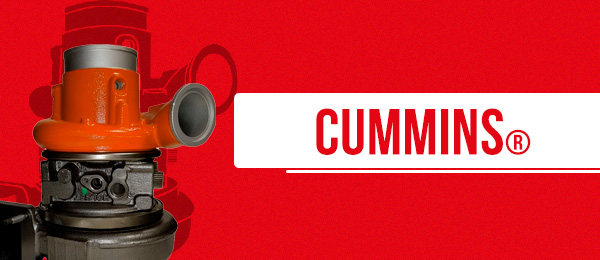
A fixed-geometry turbo uses a conventional turbine housing and is common on older applications. It has fewer moving components and can be a practical choice when replacing a like-for-like original unit. Variable geometry turbos, often called VGT or VGT turbos, use movable vanes to control exhaust flow. They improve low-end response, support emissions operation, and commonly provide exhaust braking capability on late-model Cummins applications.
That added control comes with added complexity. A VGT turbo may use an electronic actuator that must be compatible with the turbo and vehicle calibration. Depending on the application, the actuator may need programming, calibration, or a relearn procedure after installation. Installing a physically correct VGT turbo with the wrong actuator, or skipping required setup, can leave the truck in a reduced-power condition.
Some heavy-duty applications also use compound turbo systems. In those setups, one turbocharger works with another to manage airflow across a broad operating range. Confirm whether you are replacing the high-pressure or low-pressure unit. Ordering based on a quick visual inspection can put the wrong component on the bench and add costly downtime.
OEM, Remanufactured, or New Replacement?
The best choice depends on the truck’s job, repair budget, and how long you expect the vehicle to stay in service. There is no single answer that fits every Cummins owner.
An OEM turbocharger is usually the straightforward choice when you need the original manufacturer’s design, exact calibration, and known fitment. It makes sense for fleets maintaining standardized equipment, late-model emissions-sensitive trucks, and repairs where the customer wants the closest available match to the factory unit. OEM pricing is typically higher, but the value can be justified when uptime and system compatibility are the priority.
A quality remanufactured turbocharger can be the smarter value for many working trucks. The key word is quality. A properly remanufactured unit should be fully disassembled, cleaned, inspected, measured, rebuilt with serviceable components, balanced, and tested. It is not just a used turbo with fresh paint. Good remanufacturing restores the rotating assembly and critical components to working specifications while keeping the cost below a comparable new OEM unit.
Premium replacement turbos can also be a valid option, particularly on older or high-volume applications. However, do not treat every aftermarket turbo as equal. The lowest price can become expensive if the housing fit, vane operation, bearing system, or actuator compatibility is off. Compare the actual part number, warranty coverage, and technical support behind the unit rather than buying from a vague listing.
For trucks that tow heavy, work construction sites, run hot climates, or stay loaded for long periods, prioritize proven fitment and build quality over the lowest invoice total. Saving a few hundred dollars on a questionable turbo is not a win if it creates repeat labor, lost work, or engine damage.
Buy the Turbo as Part of a Repair, Not a Standalone Box
Turbochargers rarely fail without a reason. If the root cause is still present, a new or reman turbo can fail quickly. Before ordering, inspect the systems that feed and protect the turbo.
Oil starvation is one of the most destructive turbo failures. Check the oil feed line for restrictions, carbon buildup, kinks, or damaged fittings. Inspect the oil drain for blockage, poor routing, or sealing issues that can prevent proper drainage. Confirm the engine has the correct oil level and that the lubrication system is in good condition. Reusing a contaminated or restricted oil line is a common way to ruin a replacement turbo.
Air intake problems matter just as much. A damaged intake duct, collapsed hose, dirty filter, loose clamp, or foreign object can damage the compressor wheel and reduce boost. On the exhaust side, inspect for manifold leaks, broken studs, cracked connections, and restrictions in the exhaust aftertreatment system. A plugged DPF or other exhaust restriction can overwork the turbocharger and interfere with VGT operation.
Fueling and engine condition also deserve attention. Excessive smoke, injector problems, EGR faults, compression issues, and incorrect tuning can drive exhaust gas temperature beyond what the turbo was designed to handle. If the old unit has a damaged turbine wheel, excessive shaft movement, or heat discoloration, do not stop at replacing the part. Find out what caused the damage.
When the application calls for it, include the needed install components with the order: oil feed line, drain gaskets, mounting hardware, intake and charge-air seals, exhaust gaskets, and actuator hardware. A complete repair protects the investment and helps technicians finish the job without waiting on one missing seal.
What to Verify Before You Place the Order
Use this checklist when comparing Cummins turbocharger options:
- Exact engine serial number or vehicle VIN
- Turbocharger OE part number and actuator number, when applicable
- Engine model, year, horsepower rating, and emissions configuration
- Fixed geometry, VGT, or compound-turbo position
- Whether an actuator is included, transferable, or requires calibration
- Core charge and core-return requirements for remanufactured units
- Warranty terms and the documentation required if there is a claim
The core matters more than many buyers realize. With a remanufactured turbo, the returned core supports the rebuilding process and is often tied to a refundable core charge. Return the old unit promptly, protect it from shipping damage, and do not disassemble it. A damaged, incomplete, or non-matching core can affect the core credit.
Installation Details That Protect the New Turbo
A clean installation is part of turbocharger reliability. Before mounting the replacement unit, clean the exhaust manifold surface, verify the charge-air system is free of oil and debris, and replace seals that are compressed, brittle, or heat damaged. Never let gasket material, shop towels, or loose hardware enter the intake or exhaust path.
Pre-lube the turbocharger according to the manufacturer’s procedure before initial startup. Then disable fuel or ignition as appropriate for the application and crank the engine long enough to establish oil pressure before allowing the engine to fire. After startup, check immediately for oil, air, and exhaust leaks. Let the engine idle and verify the system operates correctly before applying load.
For VGT-equipped Cummins engines, use the correct scan tool process to check actuator operation and complete any required calibration. Clearing codes without correcting the underlying fault is not a repair. Verify commanded and actual boost, vane position where available, exhaust brake operation, and fault-code status during the final road test.
American Diesel Parts can help you confirm the right turbocharger for your application, whether the job calls for OEM, remanufactured, or premium replacement coverage. Bring the engine and turbo identification information to the conversation, and you can avoid the delays that come with ordering by appearance.
A turbocharger purchase should keep your truck earning, not create another repair ticket next week. Match the application precisely, correct the failure cause, and install the supporting parts the first time. Leave Diesel to US