












What Diesel Rebuildable Core Value Means


A failed injector, turbocharger, or high-pressure fuel pump can put a truck on the hook for a costly repair. The good news is that diesel rebuildable core value can reduce the real cost of a quality remanufactured replacement – provided the old part is complete, correct, and eligible to be rebuilt. For a shop, fleet, or owner-operator, understanding the core process before ordering prevents surprises after the repair is finished.
A core is not scrap metal. It is the used component returned after a replacement part is installed. When that component can be professionally remanufactured, it has value. The returned core supplies the housings, castings, shafts, electronic bodies, and other foundation pieces needed to keep quality rebuilt diesel parts in circulation.
Diesel Rebuildable Core Value vs. the Core Charge
The core charge is the refundable amount paid at the time of purchase. It exists because the remanufacturer needs a usable component returned to support the rebuild program. The core value is what that returned component is worth based on its condition, completeness, and rebuildability.
Those two numbers are often the same when the right part comes back in acceptable condition. But they are not guaranteed to be the same. A core charge is a deposit tied to the sale. A diesel rebuildable core value is determined by inspection after the return is received.
For example, a remanufactured common rail injector may carry a core charge because its injector body and internal components can be rebuilt, tested, and programmed for the next application. If the returned injector is the correct part number, has not been physically destroyed, and is complete enough to process, the core refund can be issued. If the returned unit is incorrect, severely damaged, disassembled, or non-rebuildable, its value may be reduced or denied.
This is why a low upfront price is not always the lowest repair cost. A part sold without a core program may appear less expensive, but it may not have the same level of remanufacturing investment, testing, component replacement, or warranty support behind it.
What Determines Diesel Rebuildable Core Value?
Every diesel component has different failure points, so core evaluation is part-specific. A turbocharger core is judged differently than a fuel injector, and an electronic actuator has different requirements than an EGR cooler. Still, the same basic question applies: can the unit be rebuilt to a dependable, performance-ready standard?
The most valuable core is the exact matching component removed from the engine, returned in one piece with the major external parts intact. Its condition does not need to be perfect. A failed part is expected. Worn bearings, leaking seals, poor fuel delivery, low boost, and electronic faults are common reasons a component enters the remanufacturing process.
What matters is whether the failure left a rebuildable foundation. A cracked injector body, broken connector, missing nozzle assembly, damaged turbo bearing housing, heavily corroded fuel pump, or a unit taken apart before return can reduce value. Severe fire damage, impact damage, water intrusion, and contamination can also make a core unusable.
Part identity matters just as much as physical condition. A return must match the application and core type purchased. Sending back an injector from a different engine family, a non-electronic pump in place of an electronically controlled model, or a similar-looking turbo with the wrong housing configuration may result in no core credit. Diesel parts often look alike at a glance, but trim codes, connector styles, actuator designs, calibration ranges, and mounting configurations can be application-specific.
For common rail injectors, technicians should protect the electrical connector and avoid dropping the unit or damaging the nozzle during removal. For HEUI injectors, keep the injector together and do not mix core returns between engine platforms. For turbochargers, return the actuator when it was included with the replacement assembly, and do not remove or discard housings, clamps, or components that are part of the core package.
The Conditions That Can Reduce or Eliminate a Core Refund
A core return is not expected to be clean, polished, or free of the failure that caused the repair. It is expected to be honest, complete, and rebuildable. The most common problems are not normal wear – they are preventable handling and return mistakes.
A core may receive reduced credit or no credit when it is returned as the wrong part, missing major pieces, broken beyond remanufacturing, disassembled, burned, or altered. Units with cut wiring, smashed connectors, cracked castings, stripped critical threads, or damage caused by careless shipping are also at risk. In some cases, a component may be worth only scrap value rather than the full refundable core amount.
Contamination is another concern, especially with high-pressure fuel systems. Metal debris from a failed CP4 pump, water-contaminated fuel, or heavy rust can damage injectors, pumps, rails, and lines. A contamination event does not automatically mean every core is worthless, but it can change what can safely be rebuilt. That is why many fuel-system repairs require a contamination kit and a careful inspection of the entire system instead of replacing only the failed part.
Do not throw away the old unit until the replacement has arrived and the part number has been verified. Keep the core in a protected area, use caps or plugs where available, and save the original packaging. This is a simple step that protects both the core and your refund.
How to Return a Diesel Core Without Losing Value
The core return process should start before installation, not after the truck is already back in service. Confirm the replacement part matches the engine serial number, VIN-based application information when applicable, OE number, or part number removed from the truck. Once the new part is verified, remove the old component carefully and retain every piece required for the return.
Place the old part in the box or container used for the replacement whenever possible. This packaging was designed to protect a component of that size and weight. Secure the core so it cannot shift, damage the box, or strike its own connector, actuator, nozzle, or fittings during transport. Drain excessive fluids where appropriate and follow shipping requirements for components that may contain oil or fuel.
Include the correct return paperwork or identifying information so the core can be matched to the original order. Delays often happen because a rebuildable core arrives with no order number, customer information, or clear connection to the purchased replacement part. A shipping label and clear return instructions remove much of that friction, but the customer still needs to send the correct core back within the specified return period.
At American Diesel Parts, the core-return process supports the same goal as the replacement part itself: get dependable components back into service while keeping repair costs under control. If there is any doubt about a core’s condition, application, or return requirements, ask before shipping it. A quick conversation can prevent a disputed refund.
Why Rebuildable Cores Matter to Shops and Fleets
Core programs are not merely a retail policy. They are a practical supply-chain system for an industry that depends on expensive, highly engineered components. Injector bodies, turbocharger housings, pump castings, and electronic assemblies can often be restored through controlled machining, new internal components, calibration, testing, and application-specific programming.
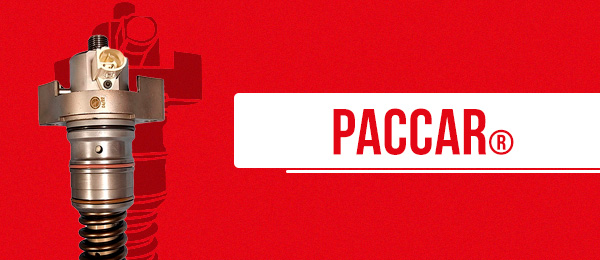
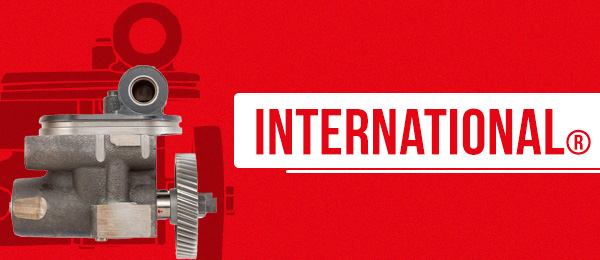
For repair shops, that means access to remanufactured parts that can meet the job’s cost target without settling for an unknown used component. For fleets, it creates a more predictable replacement strategy across Cummins, Power Stroke, Duramax, Detroit, Caterpillar, International, Volvo, and Paccar and other diesel platforms. A good core return also helps maintain future parts availability when demand rises or new-component supply tightens.
The trade-off is accountability. A remanufactured part with a core charge requires the buyer to manage the removed component properly. That is a reasonable requirement when the alternative may be paying the full non-returned core amount or replacing the part with a lower-confidence option.
Order the Right Part, Protect the Core, Keep the Job Moving
Before ordering, verify the engine application and identify whether the part includes a refundable core charge. Before removal, inspect the old unit and plan how it will be packaged. After installation, return the core promptly rather than leaving it on a shelf where it can be damaged, mixed with another job, or discarded.
The best repair is not simply the one that gets the truck running today. It is the one that installs the correct tested component, protects warranty eligibility, preserves your diesel rebuildable core value, and keeps the next repair from costing more than it should.