Reman Diesel Injectors Review for Working Trucks

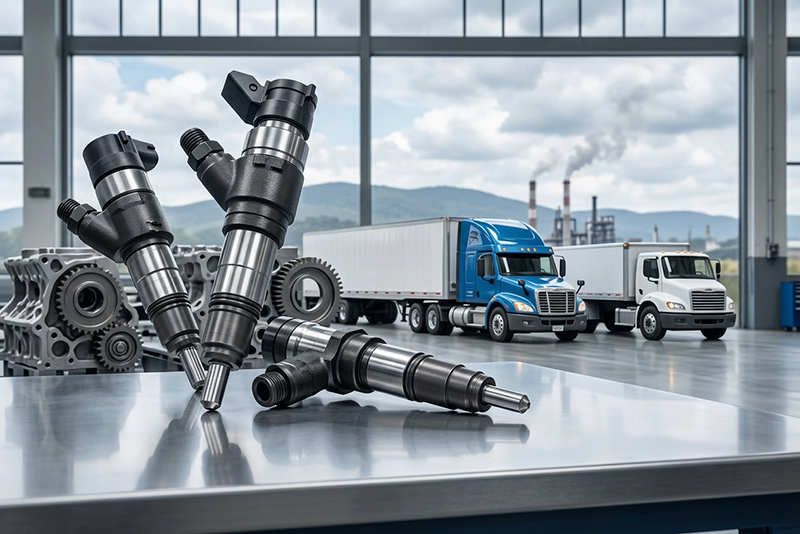
A reman diesel injectors review should not start and end with price. A low-cost injector can look like a smart repair until it causes a miss, hard start, white smoke, fuel dilution, or a repeat teardown. For working trucks, the real question is whether the injector was rebuilt to the correct fuel-delivery specification and is ready to operate in your exact engine.
Remanufactured injectors can be an excellent repair choice for owner-operators, fleets, shops, and anyone keeping a diesel truck on the road without paying new-OEM pricing. But reman quality varies widely. The difference comes down to the remanufacturing process, testing standards, calibration requirements, core handling, and the support behind the part.
What a Reman Diesel Injectors Review Should Measure
A true reman injector is more than a used injector that has been cleaned and painted. It should be disassembled, inspected for wear or damage, rebuilt with qualified components where needed, and tested to confirm it meets the fuel system’s operating requirements.
That distinction matters because diesel injectors work under extreme pressure and tight tolerances. A small error in nozzle flow, return flow, opening pressure, spray pattern, or electronic response can affect combustion. The truck may still run, but it may not run correctly. That is where customers see rough idle, poor fuel economy, increased regeneration activity, excess smoke, cylinder contribution faults, or damage that reaches beyond the injector itself.
When reviewing reman injectors, focus on the process behind the part. Ask whether the injector is tested on dedicated equipment, whether it is calibrated to application specifications, and whether the supplier verifies fitment by engine family and part number. A supplier that can answer those questions directly is more useful than one that only lists a broad truck year range.
Remanufactured vs. Rebuilt vs. New OEM
The terms rebuilt and remanufactured are often used interchangeably, but the actual service level can be different. Some rebuilt injectors receive limited service to address a known issue. A properly remanufactured injector follows a more controlled inspection, replacement, assembly, and testing process intended to return the unit to serviceable operating condition.
New OEM injectors remain the benchmark when budget is secondary and factory-new components are available. They are often the right call for certain high-value repairs, sensitive fuel systems, or situations where a manufacturer-specific new part is required. The trade-off is cost, especially when replacing a full set.
A quality reman injector is usually the practical middle ground. It can reduce repair cost while delivering dependable performance, provided the unit has been rebuilt and tested correctly. It is not automatically the best choice simply because it is cheaper, and new OEM is not automatically necessary simply because it costs more. The right decision depends on the truck’s mileage, duty cycle, budget, downtime exposure, and the condition of the rest of the fuel system.
Testing Is Where Injector Quality Is Proven
The strongest reman injector programs use testing equipment to verify more than basic operation. Depending on injector design, testing may evaluate fuel delivery at multiple operating points, return or leak-off volume, spray characteristics, response time, and electrical performance. For mechanical injectors, opening pressure and spray pattern are especially important. For electronically controlled common-rail injectors, electrical operation and precise flow behavior matter just as much.
An injector can pass a simple bench check and still be a poor match for a modern high-pressure common-rail system. That is why a serious reman process includes controlled testing before the injector is released for sale.
Trim code programming is another point worth checking. Many late-model diesel applications use injector-specific correction codes, sometimes called trim codes, calibration codes, or compensation codes. These codes help the engine control module adjust fueling for the individual injector. If your application requires coding, the code must be supplied accurately and entered into the vehicle during installation.
Not every diesel injector uses a trim code, and coding requirements vary by engine platform. Do not assume a code is optional because the engine starts without one. Verify what your specific Cummins, Power Stroke, Duramax, Detroit, International, Paccar, Caterpillar, Volvo, or Mercedes-Benz application requires before the job begins.
Fitment Errors Can Cost More Than the Injector
Ordering by truck year alone is not enough for many diesel applications. Engine serial number, injector part number, emissions configuration, horsepower rating, and fuel-system generation can all affect the correct injector selection. Two trucks from the same model year may use different injectors because of a midyear engine change or calibration update.
Before ordering, match the number from the injector being removed whenever possible. If the original number cannot be read, use the engine serial number and confirm the application with a parts specialist. This step is especially valuable when servicing commercial trucks that may have had replacement engines, updated fuel-system components, or prior repair work.
A correctly rebuilt injector that does not match the application is still the wrong part. It may physically install yet create drivability problems, set codes, or cause cylinder imbalance. Accuracy at the ordering stage protects both the repair and the warranty.
Core Quality Matters More Than Most Buyers Expect
The core is the used injector returned after replacement. It has value because it can be rebuilt, but not every core is rebuildable. Cracked bodies, damaged threads, broken electrical connectors, severe corrosion, missing components, or parts altered beyond repair can reduce or eliminate core credit.
Core returns are not just an accounting detail. They support the remanufacturing cycle that makes quality replacement injectors available at a lower cost than new units. A supplier with a clear core-return process, including return instructions and shipping support, makes the transaction easier for shops and truck owners.
Protect the old injectors after removal. Keep them organized by cylinder when practical, drain excess fuel safely, and package them to prevent shipping damage. If a core return is required for credit, do not discard it before confirming the supplier’s policy.
Installation Conditions Decide Whether the Repair Lasts
Even the best reman injector can fail early if contamination caused the original failure and remains in the fuel system. Water, metal debris, rust, degraded fuel, incorrect fuel additives, or dirt introduced during service can damage a replacement injector quickly.
If an injector failure is tied to a damaged high-pressure pump or metal contamination, replacing injectors alone is rarely enough. The rails, lines, tank, filter housing, and related fuel components may need inspection, cleaning, or replacement based on the extent of contamination. Skipping that work can turn one failed component into a repeat fuel-system repair.
Use clean fuel-system practices during installation. Replace fuel filters when appropriate, inspect supply and return lines, use new sealing washers or O-rings as required, follow torque specifications, and keep open ports covered. On applications that require injector coding, program the correct code before final road testing. Then check for leaks, faults, balance concerns, and abnormal smoke under operating temperature.
Warranty Protection Is Valuable, but Read the Repair Requirements
A 12-month limited warranty gives buyers useful protection, but it does not replace correct diagnosis and installation. Limited warranties commonly exclude damage from fuel contamination, improper installation, misuse, modified applications, or related component failure. Those exclusions are not unusual in diesel fuel-system repairs because injectors depend on clean fuel and correct system operation.
The practical value of warranty coverage comes from dealing with a supplier that understands the part, can confirm compatibility, and can help identify whether the issue is injector-related or caused by a larger fuel-system problem. American Diesel Parts supports reman injector customers with application-focused assistance, advanced testing, trim code programming where required, and a straightforward core-return process.
The Bottom Line for Diesel Truck Owners and Shops
A quality reman injector is not a shortcut repair. It is a cost-effective replacement when it has been properly rebuilt, tested, matched to the engine, and installed into a clean fuel system. The cheapest option may save money at the counter, but it can cost far more if the truck returns with the same complaint.
Buy the injector that fits your engine, comes from a supplier willing to verify the details, and is backed by clear warranty and core-return terms. When uptime pays the bills, dependable fuel delivery is not a place to gamble. Leave Diesel to US!